
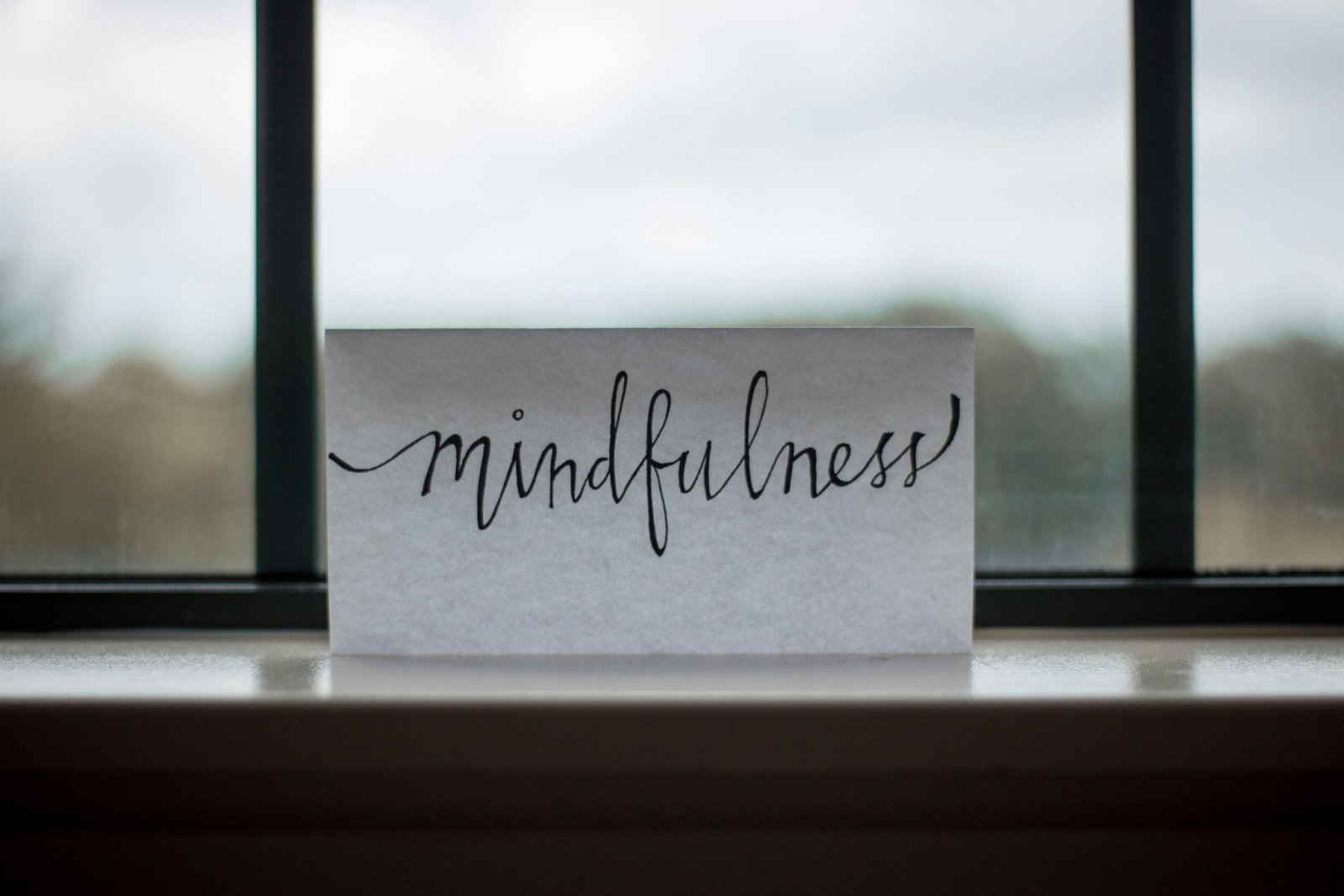
Understanding Slow Living
Slow living is a lifestyle philosophy that encourages individuals to embrace a more intentional and mindful approach to daily activities. Originating from the slow food movement in Italy during the late 1980s, the slow living concept has since expanded to encompass various aspects of life, including work, relationships, and personal wellness. In essence, it emphasizes quality over quantity and encourages individuals to savor each moment rather than rushing through them.
The core principles of slow living revolve around mindfulness, simplicity, and sustainability. By prioritizing what truly matters, individuals can cultivate a deeper connection with themselves and the world around them. By slowing down, one can develop a more profound appreciation for the natural rhythms of life, fostering emotional resilience and mental clarity. This philosophy stands in stark contrast to the fast-paced lifestyle that has become the norm in contemporary society, where constant connectivity and productivity often lead to stress and burnout.
In adopting slow living, one can experience numerous benefits. Reduced stress levels are among the most notable advantages, as taking the time to engage fully in each task allows for a more balanced mental state. Moreover, a slower pace encourages individuals to engage in self-reflection, thereby fostering emotional well-being and personal growth. Those who practice slow living often report feeling more present during everyday activities, which can lead to greater fulfillment and joy in mundane tasks.
Incorporating these mindful habits into one’s daily routine can transform the experience of life, promoting a more sustainable lifestyle that honors both individual well-being and the environment. By embracing slow living, individuals not only enhance their own lives but also positively impact their communities, ultimately contributing to a more mindful and measured society.
Mindful Morning Routines
Starting the day with intention is crucial in cultivating a balanced life. Mindful morning routines can serve as a foundation for creating a positive atmosphere, allowing individuals to take control of their day right from the moment they wake up. Engaging in practices such as meditation, journaling, or simply enjoying a cup of tea in silence can significantly enhance one’s mental and emotional well-being.
Meditation is one of the most effective ways to begin a day mindfully. Taking even just five to ten minutes to sit in a quiet space, focus on the breath, and clear the mind can promote relaxation and clarity. This practice encourages individuals to cultivate awareness, reducing stress and enhancing concentration throughout the day. Additionally, as one becomes more attuned to their thoughts and feelings, it sets a precedent for responding thoughtfully rather than reactively to daily challenges.
Incorporating journaling into a morning routine is another powerful habit that encourages reflection and self-discovery. Writing down dreams, aspirations, or even daily intentions can guide focus and mindfulness. Journaling allows for the externalization of thoughts, fostering a deeper understanding of oneself and acting as a catalyst for personal growth. It can also help identify patterns in behaviors and emotions, leading to better decision-making throughout the day.
Taking time to enjoy a cup of tea or coffee in silence can further enhance mindfulness. This quiet moment can be an opportunity to savor the flavors, focus on the warmth of the cup, and appreciate the simplicity of the ritual. Such practices encourage a slower pace, allowing for a more grateful and present mindset. Individuals should devote time to creating a morning routine that resonates with their needs, thereby establishing a daily practice that nurtures mindfulness and promotes a balanced mindset.
Savoring the Present: Mindful Practices Throughout the Day
In the hustle and bustle of modern life, it’s easy to overlook the beauty of the present moment. Incorporating mindfulness into daily activities can transform routine tasks into enriching experiences. One effective way to practice mindfulness is through conscious eating. Rather than consuming meals on autopilot, individuals can slow down and truly engage with their food. This involves appreciating the flavors, textures, and colors of each item on the plate, making mealtimes an opportunity to reflect on nourishment and gratitude.
Another beneficial practice is taking mindful breaks. Dedicating a few moments throughout the day for conscious breathing or simply stepping outside can enhance one’s sense of presence. During these breaks, individuals should focus on their surroundings—perhaps the feel of the breeze, the sounds of nature, or the warmth of the sun. These pauses not only provide a mental reset but also encourage a deeper connection to the environment, fostering a sense of calm and clarity.
Engaging fully in conversations is another key aspect of mindfulness. Active listening allows individuals to be present with others, creating a more meaningful connection. By giving full attention to the speaker without distractions, one can appreciate the nuances of human interaction. This practice not only enriches the experience of dialogue but also promotes empathy and understanding.
Incorporating these mindful practices into daily routines helps individuals slow down and savor life’s ordinary moments. Whether it’s relishing a meal, taking a brief pause for reflection, or listening intently to a loved one, mindfulness enriches day-to-day experiences. By embracing these habits, individuals can cultivate a more balanced and fulfilling life, awakening to the joys that reside in the present.
Cultivating Evening Rituals for Reflection and Relaxation
As the day comes to a close, embracing mindful evening rituals can significantly enhance one’s ability to unwind and reflect. Cultivating a routine that incorporates calming activities not only aids in transitioning from a busy day but also prepares the mind and body for restorative sleep, fostering an overall sense of well-being.
One effective practice to consider is gentle stretching or yoga before bed. Engaging in slow, deliberate movements can help release tension stored in the body throughout the day. Poses that focus on relaxation, such as child’s pose or seated forward bends, promote a state of calmness. Additionally, these stretches encourage deeper breathing, which can further facilitate the reduction of stress and anxiety that may have accumulated during the day.
Reading is another meaningful way to ease into the evening. Choosing a book that inspires or transports you to a different world can serve as an excellent escape from the demands of everyday life. It is essential to mindfully select material that does not incite stress or excessive thinking, ensuring that reading becomes a positive retreat before sleep. Fiction, poetry, or even enlightening non-fiction can provide both relaxation and stimulation for the mind, making it an ideal evening ritual.
Moreover, reflecting on the day’s events can be beneficial. Taking a few moments to journal about accomplishments, challenges, or moments of gratitude promotes mental clarity and emotional processing. This practice can also help identify patterns in one’s daily life and establish goals for the following day. Such insights can lead to more purposeful living, making each day more fulfilling.
In conclusion, integrating mindful rituals into your evening routine can transform the way you transition from the hustle of daily life to a restful night. By incorporating gentle movements, engaging literature, and thoughtful reflection, individuals can cultivate a nourishing end to their day that ultimately enhances sleep quality and rejuvenates their spirit for the following day.