
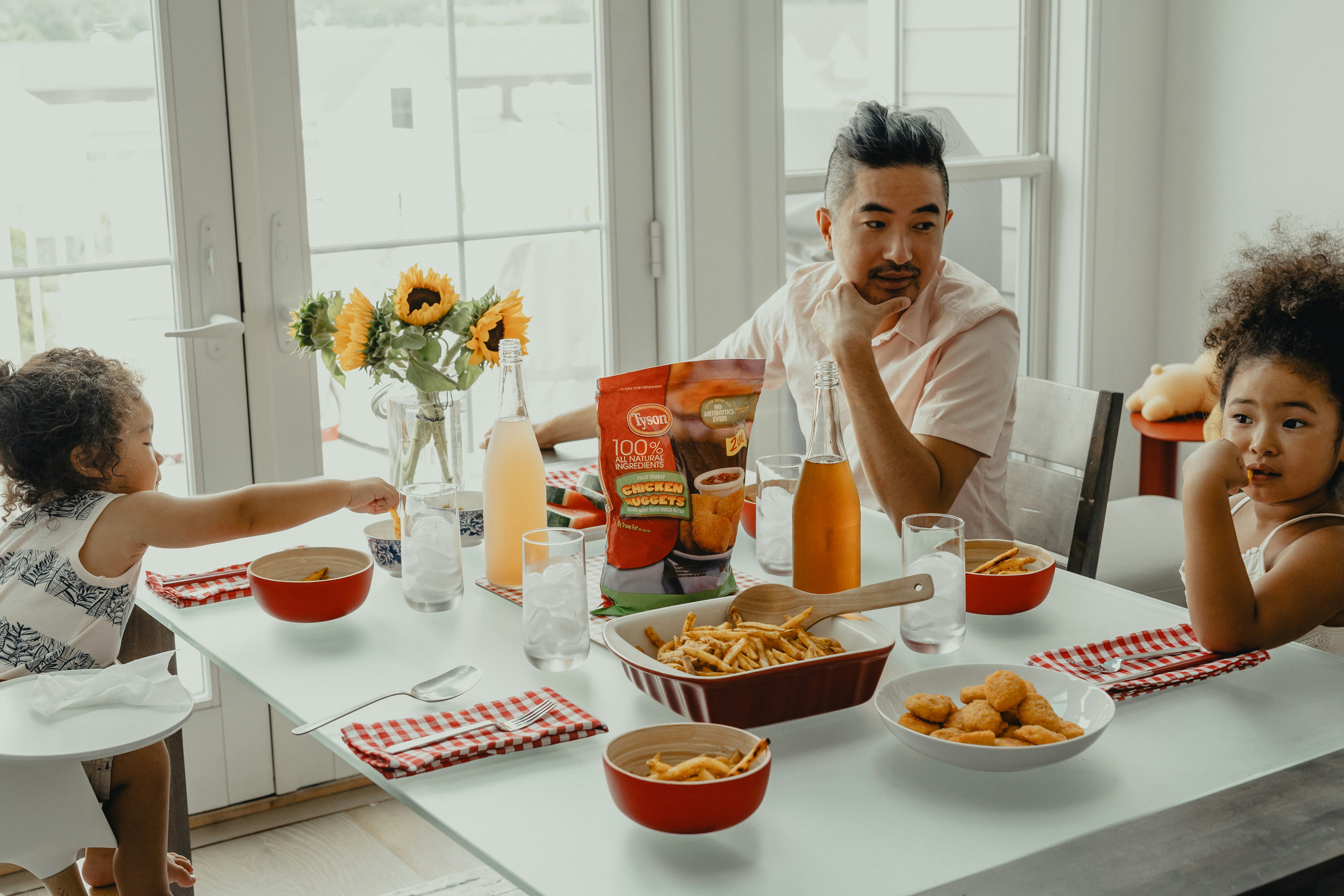
The Historical Perspective on Family Meals
Family meals have historically served as a cornerstone of social structure, pivotal for fostering connections among family members. Originating in agrarian societies, communal eating allowed families to bond after a day of labor. Traditionally, meals were the primary means to convey cultural values and practices from one generation to the next. They provided an opportunity for storytelling and the sharing of experiences, thereby reinforcing familial bonds and cultural heritage.
As we trace the evolution of family meals through various epochs, significant historical events have invariably shaped dining practices. For instance, during the industrial revolution, many families transitioned from rural to urban settings, leading to changes in meal preparation and participation. With both parents often working, the frequency of shared meals diminished as fast food culture began to rise, significantly changing eating habits within families. In contrast, regions heavily shaped by cultural traditions, such as those in Mediterranean societies, have maintained a strong emphasis on family meals, with extended gatherings that highlight the importance of food in social cohesion.
In contemporary society, the impact of globalization and urbanization has introduced diverse culinary influences, reshaping the nature of family dining. The preference for convenience can be seen in the shift toward on-the-go meals, where families often prioritize quick options over traditional communal dining. This change raises concerns regarding the loss of familial connections and the implications on children’s eating habits. With modern technology further disrupting mealtime routines—such as the use of smartphones during meals—the traditional role of family gatherings is evolving, leading to generational differences in eating patterns. Understanding this historical context is vital in appreciating how family meals can continue to influence modern dining habits across generations.
Influence of Family Meals on Nutritional Choices
Family meals serve as a significant framework for promoting healthy dietary habits and nutritional choices among individuals, particularly in developing children and adolescents. Research indicates that children who regularly partake in family meals exhibit a higher propensity for consuming a balanced diet that includes fruits, vegetables, and whole grains. The consistency of shared meals encourages children to explore a variety of food options, thereby enhancing their nutritional knowledge and preferences.
During family mealtimes, parents have the unique opportunity to demonstrate positive eating behaviors. By modeling balanced plates filled with nutritious options, they inherently encourage their children to adopt similar eating habits. This observational learning is paramount, as parents’ food choices significantly influence their children’s attitudes towards specific foods. For example, if a child observes their parents consistently choosing nutrient-rich foods, they are more likely to develop a preference for those same items.
Moreover, family meals act as an educational platform for discussing nutrition. Parents can utilize this time to inform their children about the benefits of healthy eating, explaining why certain foods are more advantageous than others. Engaging in conversations about meal preparation, the origins of food, and the value of moderation in treats fosters an environment of understanding and appreciation for nutritious choices.
Furthermore, research has established a correlation between regular family mealtime and a reduction in unhealthy food choices, such as fast food and sugary snacks. When families prioritize cooking and enjoying meals together, the reliance on processed foods diminishes, contributing to overall better health outcomes. Therefore, the role of family meals in shaping dietary habits cannot be overstated, as they play a crucial part in instilling lifelong nutritious eating patterns.
Emotional and Social Benefits of Family Dining
Family meals are not solely about nourishment; they play a crucial role in fostering emotional connections and enhancing social skills within the family unit. Shared dining experiences create an environment conducive to building familial bonds, where members feel valued and supported. The act of gathering around the dinner table often strengthens relationships, as it allows individuals to engage in meaningful conversations, share experiences, and create lasting memories.
One of the most significant emotional benefits of family dining is the sense of belonging it instills. Regularly coming together for meals reinforces a feeling of unity among family members, making each person feel important and integral to the family structure. This sense of belonging is vital for emotional wellbeing, as it can lead to improved self-esteem and a reduction in feelings of loneliness and anxiety. Research indicates that families who dine together exhibit better emotional health, as shared meals provide a safe space for discussion and support.
Moreover, family meals facilitate open communication and help address family dynamics. They serve as a platform for discussing significant events, conflicts, and individual feelings in a relaxed atmosphere. This can lead to better understanding and resolution of issues among family members, consequently improving overall family dynamics. Additionally, engaging in family meals helps bridge generational gaps, particularly in terms of eating habits and preferences. Younger generations learn about cultural traditions and nutritional choices, while older family members may adopt new perspectives on modern eating trends. Such intergenerational exchanges enrich the family’s culinary practices and promote healthier eating habits.
In summary, the emotional and social benefits of family meals extend beyond mere sustenance. They create a foundation for effective communication, foster a sense of belonging, and nurture family relationships across generations, ultimately contributing to the emotional wellbeing of all members involved.
Strategies to Reinforce Family Meal Traditions
In today’s fast-paced society, maintaining the tradition of family meals can be challenging. However, several practical strategies can help reinforce this important practice, encouraging families to come together and nurture healthy eating habits.
First, planning is essential. Families should set aside specific days and times dedicated solely to shared meals. Whether it’s once a week or several times, consistency is key. Using a family calendar to mark these meal times can help all members stay accountable and make mealtime a priority.
Next, creating a collaborative cooking environment can foster a sense of belonging and excitement among family members. Encourage everyone to participate in meal preparation by assigning age-appropriate tasks. Younger children may enjoy washing vegetables or setting the table, while older siblings can assist with cooking. This teamwork not only simplifies the cooking process but also reinforces essential skills and encourages conversations about food choices.
Additionally, incorporating themed meals and cooking challenges can make family dining more engaging. For instance, families can select a country each week and prepare traditional dishes from that culture, introducing new flavors and ingredients. Not only does this add variety to family meals, but it also serves as an educational opportunity to learn about different cultures and cuisine.
Finally, fostering an environment that values open discussion and connection during meals is vital. Encourage family members to share their experiences, achievements, or challenges of the day, promoting emotional bonding and healthy communication. By creating a positive atmosphere around the dining table, families can enjoy their meals and reinforce the importance of shared experiences as they cultivate healthy eating habits across generations.