
Understanding Slow Living
Slow living is a philosophy that advocates for a more deliberate and conscious approach to daily life, in stark contrast to the relentless pace of modern society. Originating from movements focused on sustainability and mindfulness, slow living draws inspiration from diverse sources, including the Slow Food movement, which emphasizes the enjoyment of food and the importance of local ingredients. The roots of this lifestyle can be traced back to various cultural practices that value quality and presence over speed and convenience.
At its core, slow living invites individuals to prioritize mindfulness, sustainability, and intentionality. It encourages a rhythmic pace that fosters a deeper connection to both oneself and the surrounding environment. By adopting this lifestyle, individuals can find moments of peace amidst the chaos, allowing them to enjoy the beauty in simplicity and the richness of their experiences. This mindset is essential, particularly in today’s fast-paced world, where individuals are frequently overwhelmed by the demands of work, technology, and consumer culture.
One of the fundamental principles of slow living is the emphasis on quality over quantity. This principle can manifest in various aspects of life, from the food consumed to the fashion choices made. In terms of daily routine, incorporating slow living practices might include savoring meals prepared from scratch, engaging in outdoor activities, or cultivating meaningful relationships. Additionally, methods such as mindfulness meditation, journaling, or simply taking a moment to appreciate one’s surroundings can greatly enhance one’s overall quality of life.
By integrating slow living practices into everyday routines, individuals can cultivate a lifestyle marked by awareness, appreciation, and connection. The transformation may begin with small changes, but it can lead to profound shifts in perspective, fostering a more fulfilling and intentional life that resists the pull of fast fashion and consumerism.
The Impact of Fast Fashion
The fast fashion industry has experienced unprecedented growth over the last two decades, driven by continuously changing trends and the desire for consumers to stay fashionable at relatively low prices. This rapid production cycle allows retailers to release new collections on a weekly basis, creating a cycle of consumption that promotes a ‘buy, wear, discard’ mentality among consumers. The environmental footprint of this industry is significant, with estimates suggesting that the global textile industry contributes approximately 10% of all greenhouse gas emissions. Additionally, it is noted that in 2019, over 92 million tons of waste were generated globally from the fashion sector.
One of the most concerning aspects of fast fashion is its impact on labor standards around the world. Many fast fashion brands rely on a supply chain that exploits cheap labor, often in developing countries. Reports reveal that workers are subjected to poor working conditions, long hours, and very low wages, undermining any notion of fair labor practices. It is estimated that one in six people worldwide work in the fashion industry, which underscores the vast scale of the issue and the necessity for reforms to protect workers’ rights.
Moreover, consumerism is at the heart of the fast fashion phenomenon. Shoppers are enticed to purchase more clothing than they need, leading to excessive waste and clutter. According to studies, the average consumer in the United States now buys 60% more clothing than they did 20 years ago, yet keeps each item for half as long. This trend not only causes significant waste but also places enormous pressure on our planet’s resources. As we begin to understand the consequences of our buying habits, it is essential that individuals reflect on their own consumption patterns and consider sustainable alternatives to fast fashion.
Finding Balance: Slow Fashion as a Solution
The emergence of slow fashion serves as a critical response to the overwhelming pace and unsustainability of the fast fashion industry. Central to slow fashion is the commitment to ethical sourcing, which emphasizes the use of fair labor practices throughout the supply chain. This means prioritizing brands that ensure workers receive fair wages and work in safe conditions. By consciously choosing brands that adhere to these ethical practices, consumers can directly contribute to advancing social justice while redefining their own fashion consumption habits.
Sustainable materials are another cornerstone of the slow fashion movement. These materials often include organic cotton, hemp, and recycled textiles, reducing the environmental impact associated with clothing production. By opting for these sustainable options, consumers not only minimize waste but also support the preservation of natural resources. Investment in high-quality, timeless pieces is also a significant principle of slow fashion as it shifts the focus from quantity to quality. Instead of continuously purchasing trendy items, consumers are encouraged to invest in clothing that lasts, both in style and durability, ultimately leading to mindful consumption.
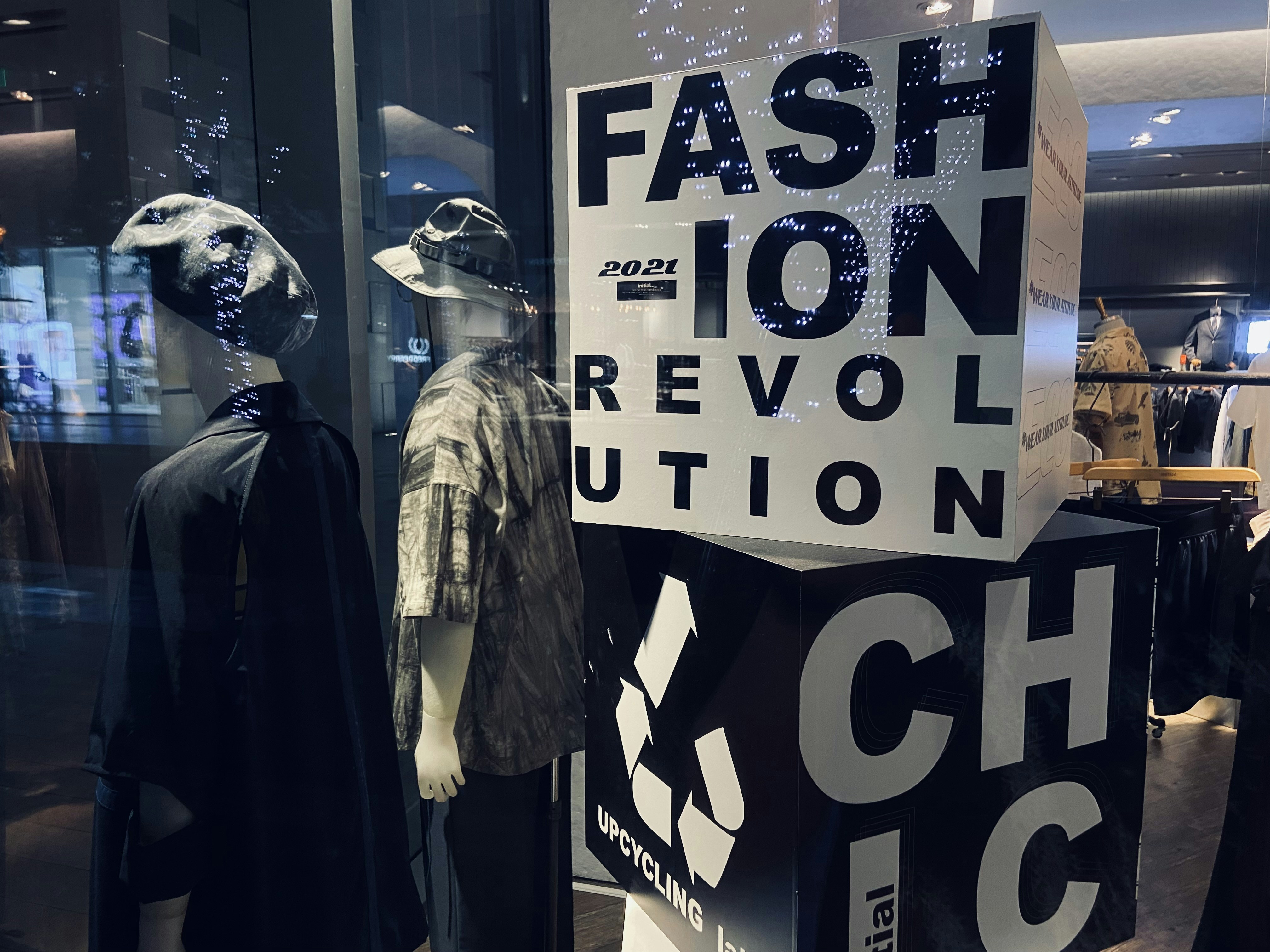
Various brands and initiatives are at the forefront of the slow fashion revolution. Notable examples include companies like Eileen Fisher and Reformation, which prioritize sustainability and ethical practices. Community-driven initiatives, such as clothing swaps and upcycling workshops, further promote the principles of slow fashion by encouraging consumers to rethink how they acquire and maintain their wardrobes. Transitioning from fast fashion to slow fashion may initially seem daunting; however, by adopting small changes, such as shopping at thrift stores or supporting local artisans, individuals can gradually build a more intentional and sustainable wardrobe. Embracing slow fashion not only enhances personal style but also fosters a deeper connection with the clothing we choose to wear.
Practical Tips for Embracing a Slow Living Lifestyle Amidst Fast Fashion Trends
Embracing a slow living lifestyle in a world dominated by fast fashion can seem like a daunting challenge. However, by implementing practical and actionable steps, individuals can align their shopping habits and lifestyle choices with values of sustainability and mindfulness. One effective way to begin this transition is by adopting mindful shopping practices. Before making a purchase, consider whether an item truly aligns with your personal style and how often you will wear it. This approach encourages you to invest in quality pieces that will stand the test of time, rather than succumbing to the allure of ephemeral trends.
Additionally, decluttering your wardrobe is a crucial step toward slow living. Take the time to review your clothing collection and identify items that no longer serve you or that you haven’t worn in over a year. By removing these items, you can create a more curated wardrobe that features versatile pieces. Consider donating or selling unwanted clothing, thus giving these items a new life and reducing waste. This act of decluttering can help you appreciate the value of your existing clothing while also making space for future conscious purchases.
Making conscious choices when it comes to clothing is essential for slow living. Research brands that prioritize ethical production practices and sustainable materials. Supporting local artisans and smaller, eco-conscious brands can help mitigate the impact of fast fashion on the environment and promote a more sustainable economy. Furthermore, consider alternative shopping methods such as thrift stores, clothing swaps, or renting garments for special occasions. These practices not only reduce the demand for fast fashion but also encourage creativity and resourcefulness.
Ultimately, cultivating a slow living lifestyle amidst fast fashion trends requires intentionality and commitment. By taking small steps and being mindful of consumption habits, individuals can create a personal style that reflects their values while contributing to a more sustainable world.