
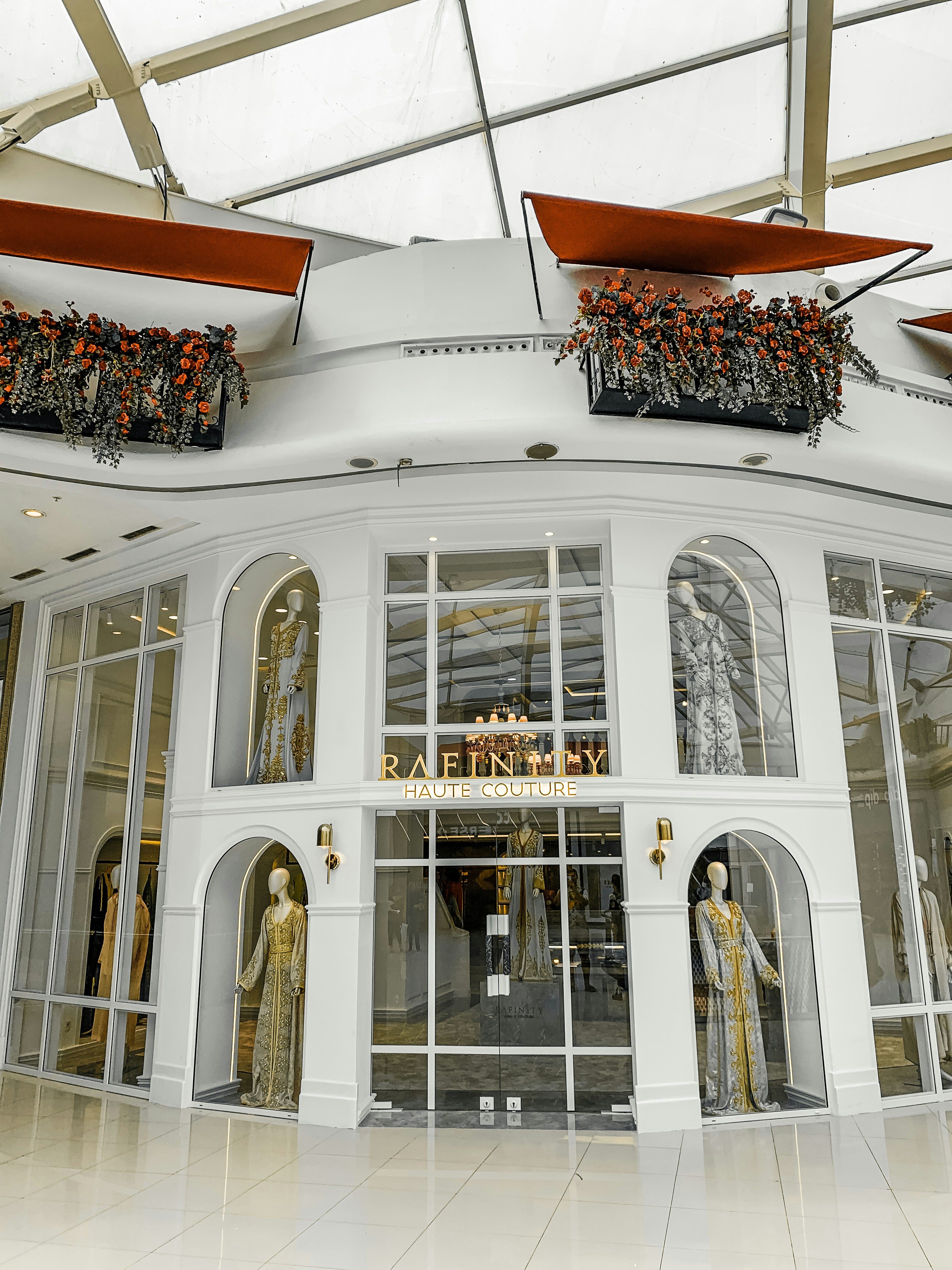
The Origins of Haute Couture: A Historical Perspective
Haute couture, a term synonymous with luxury and exclusivity, traces its roots back to the mid-19th century in Paris. This era marked a significant transformation in the fashion landscape, largely attributed to the visionary Charles Frederick Worth. Often hailed as the father of haute couture, Worth revolutionized the industry by establishing a framework that combined artistry with marketing strategies unprecedented at the time. He introduced the concept of the fashion house, where bespoke garments were crafted for an elite clientele, thus creating a system that would evolve into the haute couture we recognize today.
The mid-19th century was characterized by social change and economic progress, driven by the Industrial Revolution. This period not only spurred advancements in technology and manufacturing but also facilitated a shift in societal roles, particularly concerning women. As women began to assert more presence in public spheres, their desire for fashionable attire grew, creating a burgeoning market for tailored garments. In this context, Worth’s elaborate designs, which featured luxurious fabrics and precise craftsmanship, catered to an evolving clientele eager to express their status and identity through clothing.
It was Worth’s innovative approach to fashion shows and client relationships that allowed haute couture to gain a foothold in culture. By presenting collections to the public and having clients order garments directly from the runway, he established a powerful connection between designer and consumer. This practice not only elevated the designer’s profile but also reinforced the exclusivity associated with haute couture. Thus, the foundations laid by Worth and his contemporaries not only catalyzed the growth of exclusive fashion houses but also defined the intricate relationship between art, business, and individual expression within the fashion industry.
The Golden Age of Haute Couture: 1900-1950
The golden age of haute couture, spanning from 1900 to 1950, marked a pivotal era in fashion history characterized by luxury, innovation, and profound social transformation. During this period, iconic fashion houses such as Christian Dior, Coco Chanel, and Cristóbal Balenciaga emerged, reshaping the industry and setting new standards for elegance and couture craftsmanship.
Christian Dior, who debuted his revolutionary “New Look” in 1947, introduced a silhouette that emphasized the feminine form through the use of cinched waists and voluminous skirts made from luxurious fabrics. This design not only brought a fresh perspective to women’s fashion but also had larger cultural implications. The New Look symbolized a post-war return to femininity and luxury, resonating deeply with women looking for beauty and romanticism in a recovering world.
Coco Chanel, on the other hand, championed simplicity and practicality, crafting timeless pieces that emphasized comfort without sacrificing style. Her designs, such as the iconic Chanel No. 5 fragrance and the Chanel suit, revolutionized women’s fashion by integrating elements of menswear into women’s wardrobes, promoting a sense of empowerment and freedom.
Meanwhile, Balenciaga’s avant-garde approach set him apart as he challenged traditional silhouettes and used innovative cuts and shapes. His designs often embodied architectural forms, pushing the boundaries of what was considered fashionable at the time. His influence extending beyond mere clothing, gemstones, and silhouettes inspired generations of designers, cementing his legacy in the annals of haute couture.
The impact of these designers went beyond mere aesthetics; they influenced societal norms and attitudes towards femininity, lifestyle, and luxury. Each fashion house contributed to an evolution in the fashion landscape, creating garments that were not only artistic but also signifiers of social status and cultural awareness. As we examine this epoch, it becomes evident that the golden age of haute couture was instrumental in shaping the very foundation of contemporary fashion.
Modern Haute Couture: Evolution and Innovation
Haute couture has undergone significant transformations since its inception, particularly in the late 20th and early 21st centuries. Contemporary designers have redefined the essence of haute couture, making it more relevant in today’s fast-paced fashion landscape. This evolution is marked by the integration of technology, an emphasis on sustainability, and the emergence of digital fashion, which collectively reshape the haute couture experience.
One notable trend is the use of cutting-edge technology in the design process. Designers like Iris van Herpen have pioneered the incorporation of 3D printing techniques, enabling the creation of intricate pieces that were previously unimaginable. Through these methods, haute couture not only retains its artistry but also embraces innovation, appealing to a new generation of fashion enthusiasts. The fusion of craftsmanship with modern technology exemplifies how traditional skills are enhancing contemporary designs.
Sustainability has also become a critical focus for many haute couture houses. Brands such as Stella McCartney are leading the charge in advocating for eco-friendly practices while maintaining the luxurious quality associated with haute couture. This shift toward responsible fashion reflects a broader cultural movement, where consumers are increasingly aware of the environmental impacts of their choices. By prioritizing sustainability, haute couture houses can preserve exclusivity while attracting a conscientious clientele.
The rise of digital fashion represents another frontier in haute couture. With the advent of virtual clothing and fashion shows, designers have found new ways to showcase their collections beyond traditional runways. Digital platforms allow for innovative expressions of design, enabling brands like Balenciaga to reach a global audience. This trend not only maintains the allure of exclusivity but also pushes the boundaries of how fashion is perceived and consumed.
Overall, the modern evolution of haute couture exemplifies a delicate balance between innovation and tradition. As key figures and brands continue to push forward, the future of haute couture looks promising, preserving its rich history while embracing the challenges and opportunities of the contemporary world.
The Future of Haute Couture: Challenges and Opportunities
Haute couture, long synonymous with luxury and artistry, now faces an array of challenges that threaten its exclusivity and relevance in a rapidly changing fashion landscape. One of the most significant hurdles is the evolving consumer behavior. Today’s consumers, especially younger generations, are increasingly drawn to sustainability and ethical practices. They prefer brands that prioritize environmental responsibility, which puts traditional haute couture practices, often seen as wasteful, under scrutiny. The exclusivity that once defined haute couture is also being questioned in a globalized market, where immediate access to luxury through online platforms dilutes the allure of scarcity.
Furthermore, economic pressures continue to impact even the most established fashion houses. The high costs associated with haute couture collections—ranging from skilled labor to intricate craftsmanship—have raised concerns about profitability. In this environment, the cost of entry into haute couture is potentially prohibitive, discouraging new talents and limiting innovation from emerging designers. However, this shift also presents opportunities for haute couture to adapt and thrive. Collaborations with emerging designers can invigorate established houses, bringing fresh perspectives and techniques that resonate with modern consumers.
Additionally, integrating diverse cultural influences could diversify offerings in haute couture. As the global fashion scene becomes increasingly interconnected, the blend of different cultural aesthetics offers designers a treasure trove of inspiration. This evolution can help haute couture draw from various traditions, making it more relevant and appealing to a broader audience.
Speculating on the future direction of haute couture reveals a potential for reinvention. The digital age may provide platforms for immersive experiences that engage consumers directly with the craft and artistry of haute couture, thus enhancing its desirability. By addressing contemporary challenges and seizing available opportunities, haute couture can ensure its place as a vital and aspirational segment of the fashion industry.